Sonic Forgery: How Mutebankstore.shop Hijacks an Iconic Record Label Archive
Music collectors hunting down out-of-print vinyl and archive pressings often stumble onto Mutebankstore.shop, unaware that it operates as a deceptive brand impersonation scam storefront. Rather than an authorized sound repository, this counterfeit outpost mirrors legitimate independent record distribution channels to intercept credit card transactions from unsuspecting audiophiles.
Encountering an unauthorized mimic posing as a legacy British music institution exposes consumers to acute financial vulnerability. Unlike standard retail resellers or third-party marketplaces, an impersonation portal survives entirely by misdirecting fans away from genuine record label registries to capture cardholder billing profiles.
To prevent severe account exposure, buyers must recognize the tactical apparatus powering this fraudulent clone, understand how bad actors scrape archival intellectual property, and take deliberate defensive steps before submitting sensitive banking information.
Mechanics of a Brand Impersonation Scam Storefront
To unpack this specific breed of digital fraud, one must look beyond standard retail markups and study how intellectual property theft interfaces with payment harvesting.
A brand impersonation scam storefront is a fraudulent web entity spen ecifically engineered to mirror an established, high-trust trademark, retailer, or cultural institution. While generic drop-shippers simply throw trending toys or viral novelties onto disposable sites, impersonators deploy targeted digital identity theft. They programmatically rip cascading style sheets, corporate color schemes, registered typography, artist rosters, and verbatim catalog descriptions directly from a legitimate business.
Suspicious Link or Courier SMS?
Verify URLs, APKs, or parcel alerts against our threat database before clicking.
The psychological leverage differs fundamentally from everyday retail fraud:
- Borrowed Prestige: The scammer leverages decades of organic reputation, customer trust, and community goodwill built by the authentic brand.
- Scarcity Exploitation: They systematically target passionate subcultures—such as vinyl enthusiasts, rare book collectors, or boutique fashion buyers—who routinely seek scarce, out-of-print, or limited-run merchandise.
- Low Initial Friction: Because the buyer already recognizes and trusts the original institution (e.g., Mute Records), their cognitive defense shields drop, making them far less likely to scrutinize checkout forms, shipping policies, or hosting infrastructure.
- Harvest-and-Burn Life Cycle: Rather than intending to fulfill physical orders, these operations capture payment gateway credentials, collect unauthorized funds, and vanish once intellectual property owners, trademark attorneys, and cyber intelligence units initiate abuse takedowns with domain registrars.
Every safe click counts. If this post helped, a coffee gesture fuels more scam‑busting investigations.

Case Study: The Deceptive Framework of Mutebankstore.shop
What the Site Claims and Offers
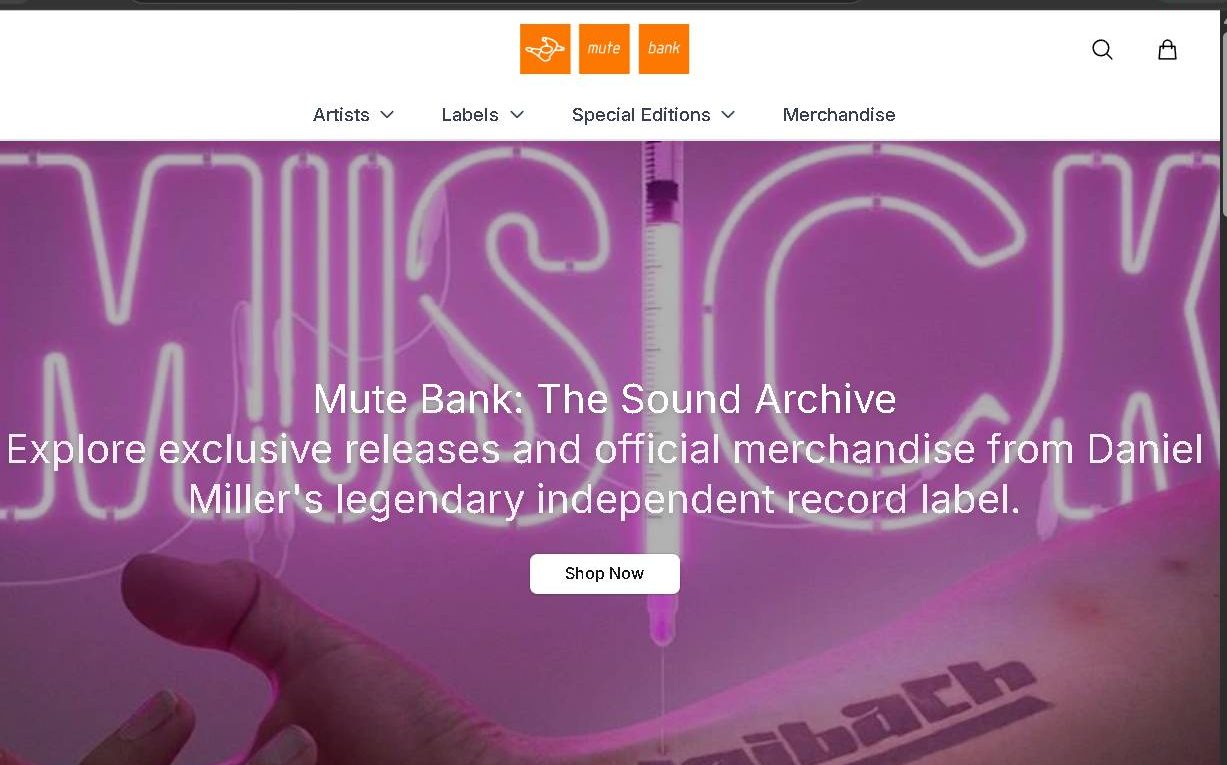
Mutebankstore.shop masquerades as the direct electronic commerce portal for Mute Bank, the renowned merchandise and archive arm of Mute Records, the legendary British independent record label established by Daniel Miller in 1978.
The storefront attempts to establish instant historical legitimacy through several lifted claims:
- The Catalog Claim: Billed prominently as “Mute Bank: The Sound Archive,” inviting music fans to “Explore exclusive releases and official merchandise from Daniel Miller’s legendary independent record label.”
- Curated Category Navigations: Featuring cloned dropdown trees including Artists, Labels, Special Editions, and Merchandise.
- High-Value Product Offerings: The store displays limited deluxe vinyl box sets, rare back-catalog pressings, promotional tour shirts, and audiophile collectibles—frequently priced at standard retail or irresistible promotional discounts.
Email: ApexLegalSolutionsMumbai@gmail.com
How the Mirror Site Actually Operates
Beneath the polished front-end interface, Mutebankstore.shop shares zero technical, corporate, or distribution ties with Mute Records or its official distributor networks:
- Scraped Web Assets: The perpetrators deploy automated web crawlers to scrape product imagery, album artwork, tracklists, and promotional photography from the legitimate UK platform, replicating the aesthetic layout with high fidelity.
- Domain Hijacking and Search Interception: Rather than building organic visibility, the operators buy a lookalike domain ending in
.shopand rely on paid search ads, hijacked social posts, or misdirected collector forum links to steer intent-driven fans looking for Mute Bank. - Ghost Processing: When a customer checks out, the backend payment gateway either routes the payment to a fraudulent merchant processor or logs the primary card details directly into an offshore database. Because no genuine distribution agreement or warehouse integration exists, the physical vinyl, CD, or merchandise is never pressed, packed, or shipped.
5 Critical Red Flags Uncovered on Mutebankstore.shop
Before typing sensitive payment information into this storefront, examine these five decisive technical warnings:
| Domain Integrity Diagnostic: Mutebankstore.shop vs Official Archive | |
|---|---|
| Structural Verification Check | Observed Evidence on Site |
| 1. Domain Spoofing & TLD Swap | Appends “store” to brand name on a disposable .shop TLD |
| 2. Plagiarized Trademark Identity | Verbatim copy of Mute Bank’s official sound archive text |
| 3. Missing Company House Registry | Zero registered British business identity or UK VAT numbers |
| 4. Ghost Customer Care Channels | Absence of verified physical studio lines or customer help desks |
| 5. False Rare Stock Availability | Historically sold-out vinyl and limited box sets shown in stock |
1. Domain Spoofing and Disposable .shop Architecture
The primary hallmark of an unauthorized clone is domain misdirection. The authentic, long-standing e-commerce channel for Mute Records is anchored at mutebank.co.uk. Rogue actors registered mutebankstore.shop by tacking on the word “store” and pairing it with a cheap, disposable .shop top-level domain. Disposable TLDs are frequently registered via anonymous proxy services to evade swift IP enforcement by copyright holders.
2. Wholesale Intellectual Property Scraping
The website lifts Mute Bank’s signature orange identity banners, trade logos, and exact promotional phrasing verbatim: “Explore exclusive releases and official merchandise from Daniel Miller’s legendary independent record label.” Genuine commercial distributors operate through verified, authorized digital platforms; they do not split official global catalog sales across auxiliary .shop web spaces registered anonymously.
3. Complete Lack of Verifiable UK Corporate Filings
Legitimate British record labels and registered distributors are legally required to display corporate transparency, including their registered UK company number, registered head office, and VAT registration credentials on customer-facing checkouts. Mutebankstore.shop provides zero corporate filings, operating completely in the shadows.
4. Ghost Customer Service Infrastructure
Legitimate music hubs provide real-time order tracking, dedicated support ticketing platforms, and working contact email addresses linked to authorized corporate domains. Impersonation sites omit these mechanisms, offering only non-functional contact forms, unverified webmail aliases, or completely absent customer service phone channels.
5. Suspicious Availability of Long-Vaulted Vinyl Editions
Physical media supply chains are strictly finite. Pressing plants face notorious backlogs, and limited-run vinyl editions regularly sell out within hours of launch. When a platform suddenly lists infinite stock for rare, out-of-print, or historically sold-out releases at ordinary or discounted prices, it is a guaranteed indicator of an inventory-less phantom storefront.
Consumer Protection: Steps to Take if You Transacted
If you submitted credit card or personal details on Mutebankstore.shop, initiate consumer recovery immediately:
- Initiate an Unauthorized Merchant Dispute: Contact your credit card provider or financial institution’s fraud hotline without delay. Inform them that you transacted with a fraudulent merchant impersonating a verified trademark and request an immediate chargeback under deceptive billing or non-delivery categories.
- Cancel and Replace the Compromised Card: Fake storefronts regularly harvest card numbers, expiration dates, and security codes for subsequent unauthorized rebilling or resale on illicit digital exchanges. Have your issuer cancel the card and issue a fresh number with a revised CVV.
- Document the Evidence: Save full-page captures of the product listing, your order confirmation, and your bank statement showing the billed merchant descriptor. This documentation accelerates credit card dispute resolution.
- Guard Against Escalated Scams: Fraud syndicates frequently retain customer phone numbers and emails to launch secondary delivery phishing texts, claiming an “unpaid courier fee” or “customs tax” is required to release your vinyl record. Never click unsolicited tracking links.
Frequently Asked Questions (FAQ)
1. Is Mutebankstore.shop scam or legit?
Mutebankstore.shop is a confirmed scam operation. It is an unauthorized clone that illegally copies the branding, trademark assets, and promotional text of the legitimate record label archive Mute Bank to deceive physical music collectors.
2. Is Mutebankstore.shop legit?
No, Mutebankstore.shop is not legit. It has no affiliation with Mute Records, Daniel Miller, or the genuine UK store at mutebank.co.uk. It lacks corporate registration, telephone customer service, and valid inventory fulfillment capabilities.
3. What is a brand impersonation scam storefront?
A brand impersonation scam storefront is a fraudulent digital retail platform that steals logos, web layouts, and product descriptions from an authentic, well-known brand to trick shoppers into paying for goods that never exist or get fulfilled.
4. Where is the real, official Mute Bank online store located?
The authentic sound archive and merchandise hub for Mute Records operates directly at the verified domain mutebank.co.uk or through official authorized distributors such as Bleep, Rough Trade, and official label Bandcamp portals.
5. Can I get my money back if I paid Mutebankstore.shop?
Yes. If you used a credit card or debit card with consumer fraud protection, file an immediate chargeback with your bank citing counterfeit goods, brand impersonation, and non-receipt of merchandise.
6. Why do scammers create fake stores targeting independent record labels?
Independent record labels often manage passionate collector communities who actively pursue rare, signed, or out-of-print vinyl editions. Scammers exploit this high demand by creating phantom stock listings that collectors find difficult to resist.
7. How can you tell if a music merchandise store is an impersonator?
Always verify the primary top-level domain name, check for verified corporate company numbers, confirm that contact links route to official label addresses, and check whether out-of-print physical media are suspiciously marked as available in unlimited quantities.
8. What happens to credit card details submitted to fake web stores?
Unregulated impersonation sites often capture payment details during checkout. These credentials can be used for unauthorized recurring charges, unauthorized international card testing, or sold across illicit card-trafficking networks.
For more shady sites exposed, check our Shopping Scam Directory — your quick guide to staying safe online.
Help Us Spread Awareness
Please share this article to spread awareness. Follow us on social media for more scam alerts.