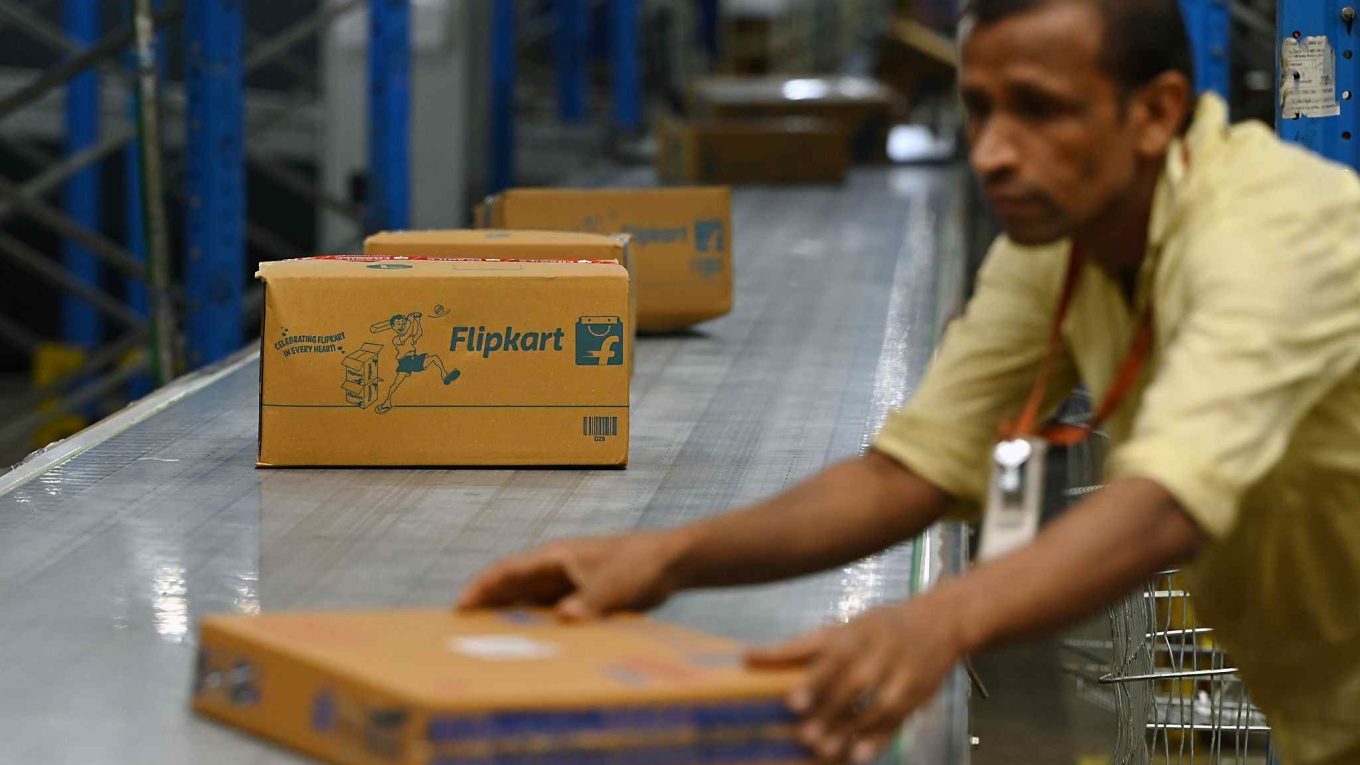
Flipkart & Amazon Open-Box Delivery (OBD) Rules: Why Sharing the OTP Too Early Voids Your Refund
- Never Share the OTP First: Under official Flipkart and Amazon Open-Box Delivery (OBD) protocols, the One-Time Password is your signature confirming the physical item is intact, genuine, and undamaged.
- The Legal Trap: Handing over the OTP before the inner sealed product box is opened and powered on terminates platform liability. Support will reject “missing item” or “damaged screen” claims once marked delivered via OBD.
- If the Agent Refuses: Do not compromise. If the courier demands the OTP before opening the retail packaging, refuse the handover, escalate live via in-app customer care, or record continuous video evidence.
During festive sales like Flipkart’s Big Billion Days and Amazon’s Great Indian Festival, millions of consumers upgrade to high-ticket electronics: flagship smartphones, OLED televisions, gaming laptops, and high-end audio gear. To curb widespread transit theft—often referred to as the notorious “soap or tile inside the phone box” incident—marketplaces introduced Open-Box Delivery (OBD).
On paper, OBD is designed to safeguard the buyer. In practice, rogue logistics personnel and delivery partners under heavy delivery quotas turn the process on its head.
By employing high-pressure tactics, courier agents trick buyers into disclosing the delivery OTP before cutting open the secondary retail seals. Once that six-digit code is typed into the delivery associate’s app, your legal leverage dissolves.
The Pressure Play: How the OBD Handover Trap Works
A delivery associate arrives carrying your ₹70,000 smartphone. The package outer plastic shipping bag has an “Open Box Delivery” label. Instead of following marketplace standard operating procedures (SOP), the agent states:
“Sir/Madam, company server is slow today because of festive rush. Please give me the OTP first so the system can unlock the package camera, otherwise the delivery app will timeout and the parcel will return to hub.”
Or they claim:
“My job is only to open the brown courier box. The sealed mobile box inside cannot be broken unless you verify delivery via OTP.”
Both statements are false.
- Agent demands OTP before opening the retail packaging.
- Customer shares OTP to save time or avoid confrontation.
- Agent hands over box and leaves immediately.
- Customer later opens box to find damaged screen or dummy weight.
- Agent opens outer shipping box in front of customer.
- Agent cuts brand seal and unpacks actual device.
- Customer verifies: physical condition, screen, serial/IMEI match.
- Customer shares OTP only after 100% satisfactory inspection.
The Legal Ramifications of Premature OTP Submission
When you place an order eligible for Open-Box Delivery on Flipkart or Amazon India, you enter into a specific contractual agreement regarding fulfillment:
- OTP as Legal Acceptance: The OTP acts as a cryptographically signed digital delivery receipt confirming you received the exact product in flawless physical condition.
- Immediate Forfeiture of “Transit Damage” Claims: If you submit the OTP and discover 10 minutes later that the laptop screen is shattered or the box contains a dummy clay brick, customer support will reject your claim. Their automated CRM logs state: “Delivered under Open-Box verification with verified customer OTP. Physical damage claim ineligible.”
- The Courier Shift: Rogue delivery associates exploit this exact policy. If an item was pilfered or damaged upstream at the sorting hub, getting you to share the OTP passes the financial liability entirely to you.
Mandatory 5-Point Open-Box Delivery Inspection Checklist
Print, save, or bookmark this checklist before your package arrives:
Suspicious Seller or Courier Dispute?
Verify suspicious e-commerce seller storefronts, tracking links, and customer care claims before making payments.
What to Do If the Delivery Agent Refuses to Open the Box
If the courier agent insists: “I won’t open it unless you give me the OTP first, or I will mark it customer refused,” follow this defensive protocol:
- Firmly Refuse the OTP: Calmly inform the associate: “This order is marked Open-Box Delivery by the platform. Platform guidelines prohibit me from sharing the OTP before inspection.”
- Pull Out Your Camera Openly: State that you are documenting the delivery attempt. Ensure the agent’s delivery bag, the intact box label, and your conversation are recorded cleanly.
- Escalate Live with Support: Immediately open your e-commerce app, tap Help Centre > Call Me Back, and place the call on speakerphone in front of the courier. Inform customer care: “The delivery associate is refusing to execute the mandatory Open-Box verification and is demanding the OTP upfront.”
- Accept Rejection over Loss: If the courier takes the package and leaves, let them. An order marked “Delivery attempted / rejected” triggers a redelivery or a 100% automated refund to your source payment method. Conversely, handing over the OTP for an empty box locks you into weeks of customer support denials.
Resolution Roadmap: What If You Already Received a Dummy Item or Soap?
If you were caught off-guard, handed over the OTP early, and found an empty box or swapped counterfeit goods inside, take immediate corrective action:
Step 1: Secure Continuous Video & Packaging Evidence
- Keep every single piece of packaging: the outer plastic poly-mailer, the brown cardboard box, the inner bubble wrap, barcodes, and shipping labels.
- Do not throw away anything. If a dummy object (e.g., soap or tile) was included, do not discard it—its weight acts as primary forensic evidence when compared against logistics scale logs recorded at courier hubs.
Step 2: Request Logistics Weigh-In Logs (Hub Scan Audits)
Every e-commerce courier facility weighs parcels automatically at multiple transit nodes (Fulfillment Center → Mother Hub → Delivery Hub).
- When you file a dispute, formally request the platform’s logistics team to check the Hub Weigh-In Log.
- If a 2.5 kg laptop parcel weighed 2.45 kg at the warehouse departure, but only weighed 400 grams at your local delivery station, logistics logs prove the theft occurred inside their supply chain prior to reaching your doorstep.
Step 3: Escalate to the National Consumer Helpline (NCH)
When frontline customer service scripts reject your ticket with canned responses, file a statutory grievance with the Ministry of Consumer Affairs:
- Toll-Free Call: Dial 1915 (National Consumer Helpline).
- Online Filing: Visit consumerhelpline.gov.in or use the official NCH App (INGRAM).
- Format: File against the marketplace platform entity (e.g., Flipkart Internet Pvt Ltd or Amazon Seller Services Pvt Ltd), citing unfair trade practices and supply chain pilferage under the Consumer Protection Act, 2019. Attach photos of the shipping label and unboxing footage.