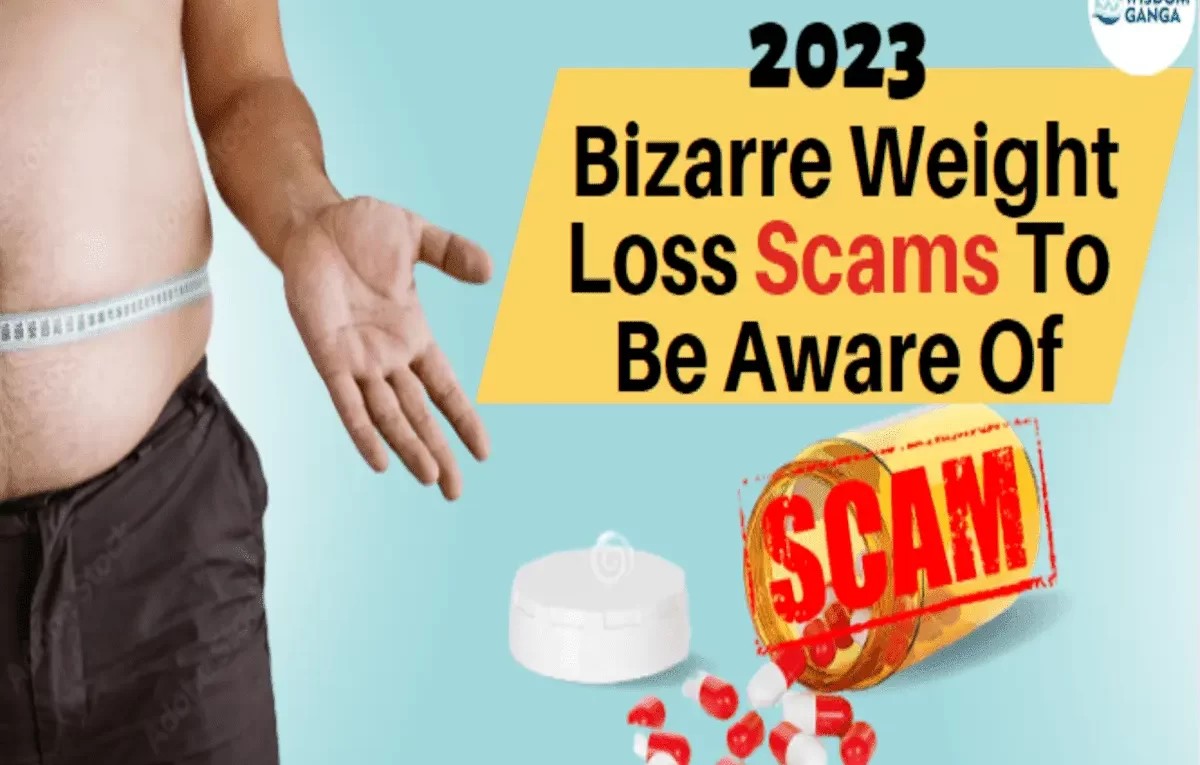
2023 Bizarre Weight Loss Scams To Be Aware Of
We’ve all come across weight loss scam claims like “lose weight fast without making an effort” are common these days. Unfortunately, such slogans entice many people every day. These quick weight loss schemes are nothing more than weight loss scam waiting to be exposed.
The fake testimonials from seemingly happy and glowing people claiming to have lost 10-100 kilos by simply signing up make it difficult. Today, we’ll look at five of the most common weight loss scams that aren’t just too good to be true, but also illogical and bizarre.
Some Weight Loss Scams
1. The Worm Weight Loss Scam
A diet straight from a horror film. The parasitic worm diet spreads the myth that eating tapeworms, which chew on carbs, can help you lose weight.
If that isn’t gross enough, these creepy crawlies living inside you will also lay eggs and cause a nutrient loss in your body (especially vitamin B12).
2. Infant Diet
The baby food diet promotes unsalted, mashed, mushy food served in pre-packaged portions and is best left to babies. Some people think this is a great way to stay full for a long time. According to the press, Reese Witherspoon has mentioned successfully attempting this diet. However, we believe otherwise.
Dieticians argue that the benefits of the baby food diet are overstated because there is no set quantity or number of days for the plan. In fact, we believe that eating an apple, carrot, or any seasonal fruit is a far more beneficial snack than baby food mulch. However, it lacks protein.
3. The HCG Diet
People on this diet must consume only 500 calories per day and inject themselves with the HCG hormone. Even if you are not pregnant, you may experience water retention, breast tenderness, and swelling if you follow this diet.
The HCG diet can also cause ovarian hyperstimulation syndrome (OHSS), a potentially fatal condition in which the ovaries leak fluid into the abdomen. In some cases, this diet can cause abdominal pain, weight gain, fluid buildup, blood clots, and kidney failure.
4. Japanese Banana Diet
This diet has spread by word of mouth and does not really make a difference. The morning diet is a simple plan that requires you to eat bananas at room temperature first thing in the morning. You can eat whatever you want for the other three main meals of the day.
What matters is the quantity and quality of calories consumed, regardless of the time of day. A diet that does not include healthy foods and does not encourage any type of physical activity is not a healthy weight loss diet and it is considered as a weight loss scam.
5. Master Cleanser Diet
The master cleanser diet is another name for the celebrity lemon diet. This diet requires a 10-day fast, which is supposed to aid in the removal of toxins from the body. The diet adherent consumes 6 to 12 glasses of lemon juice mixed with sea salt.
The mixture of lemon juice involves maple syrup, filtered water, pepper, and lime juice. The person may not eat any solid foods. The diet is pretty tough and it is said that eating crushed ice helps. One is advised not to exercise or do any kind of activity in which the person is most likely to get tired.
Many experts believe that this diet does not work as a complete solution to weight loss. Though the Vitamin C found in lemon helps in amplifying fat oxidation, which leads to sudden weight loss, the diet is devoid of the right balance of nutrients such as carbohydrates and proteins.
The lemon diet does not promote a healthy lifestyle and is part of a fad diet that may or may not work. Though incorporating lime juice into your daily diet provides a good source of Vitamin C, it is not the best solution for weight loss.
6. Heating Ab Belts
Heating Ab belts are the new weight loss scam that took the industry by storm. They are commonly marketed as portable, easy-to-use weight loss solutions, but they do nothing more than give the user the illusion of weight loss. They simply do not work and will not pass an electrical current that will melt the fat in minutes.
7. Body Wraps:
This Weight loss scam comes in the form of sweat suits. Body wraps help to raise the body temperature, which causes sweating and, as a result, weight loss. However, the reality is that these are only temporary solutions, with no long-term or sustainable results.
You may lose some water weight as a result of the body wraps, but excessive use may result in severe dehydration or fluid redistribution to other parts of the body.
8. Protein Pushers:
Increasing protein in your diet can help you lose weight. Proteins provide satiety, but too much protein can cause kidney overload. Health experts usually recommend a gram of protein per kilogram of body weight.
Protein supplements, on the other hand, can be used by people who have little time to cook and require meal replacement options. In general, though they are not required, having a protein shake with about 20 gms or so of protein per serving once a day is fine.
9. Fake Online Weight Loss Pharmacies:
Depending on how we use the internet, it can be a blessing or a curse. One such disadvantage of the internet is the fake drugs and medicines that various online pharmacies offer for ‘quick weight loss with minimum effort.’
Often marketed as one-stop weight loss solutions, they are designed to do nothing more than steal money from your wallets.
10. “Fat Free Product” Weight Loss Scam
In order to attract more customers, weight loss scam products advertise themselves as low-fat or fat-free. Indeed, there have been numerous instances of false claims in which a company advertises its food products by promising quick weight loss solutions.
Check such products for added sugar, flour, or starch thickeners listed in the nutritional label information at the back of the cover. Check the serving size as well.
11. Fibre-Based Weight Loss Products:
These products claim to absorb liquid and swell the stomach, thereby reducing hunger pangs. However, some fillers, such as guar gum, have been shown to cause severe blockages in the stomach or esophagus.
12. Starch Blockers:
Starch blockers claim to block or delay the absorption of starch in your diet, resulting in a reduced desire to eat. However, it has been discovered that these starch blockers can cause nausea, vomiting, diarrhea, and stomach pains and should be avoided entirely.
13. Metabolism-enhancing/calorie-burning capsules:
Specific medicines claim to increase metabolism and burn calories faster. Such pills should be avoided because they may pose health risks by altering the body’s endocrine production or may have other serious side effects due to unhealthy short-term accelerated fat loss.
14. Slimming cream:
Skin creams that claim to be the ultimate weight loss solution. However, there is no scientific evidence to support the benefits of these creams. All they can do is give the appearance of smoother skin and, to a lesser extent, reduce the appearance of cellulite. Many fancy companies market slimming creams as miracle creams, but they cannot spot-train your body.
Conclusion
Many weight loss scams or techniques or products generate a lot of buzz even before they hit the market. These products are mostly sold online and lack any kind of certification from a reputable source to prove their authenticity.
Many of them immediately scam you by overcharging your credit card and others by sending low-quality and nonsense products at an exponential rate.
People should avoid such scams in the early stages to avoid losing too much of their hard-earned money.
Wisdom Ganga is a Blogging Site that Aims to Make People Aware of Online Scam and other Digital Knowledge.

Scam Topics are very sensitive issues that have taken the shape of Crime. The majority of people are not aware of such things.

Please help us to make people aware of Scam and Cyber Crime by sharing this knowledge and article with others.
Also Help Us by following us on Instgram, Facebook and Twitter.

Our team at Wisdomganga is constantly working to recognize all the possible scams and is focused on making everyone aware of them. If you find this article useful, you can now order a cup of coffee for our team as a token of appreciation.
- Company Policies in Corporate: HR Challenges, Types, Implementation and Best Practices

- Buyspookything Review: Is That Viral Halloween Prop Deal a Wicked Trap?
- Best 55-Inch 4K Smart TV in India (2026): The Peak Brightness Lie, Panel Lotteries & Festive Buying Guide
- Best Kitchen Chimney in India (2026): The Ducting Trap, Suction Myths & Field Teardown
- EarnStudies Review: Is EarnStudies Legit or a Data Trap?
- Best Robot Vacuum Cleaner in India (2026): The Realities of Indian Floors, Thresholds & Lived-Experience Teardown