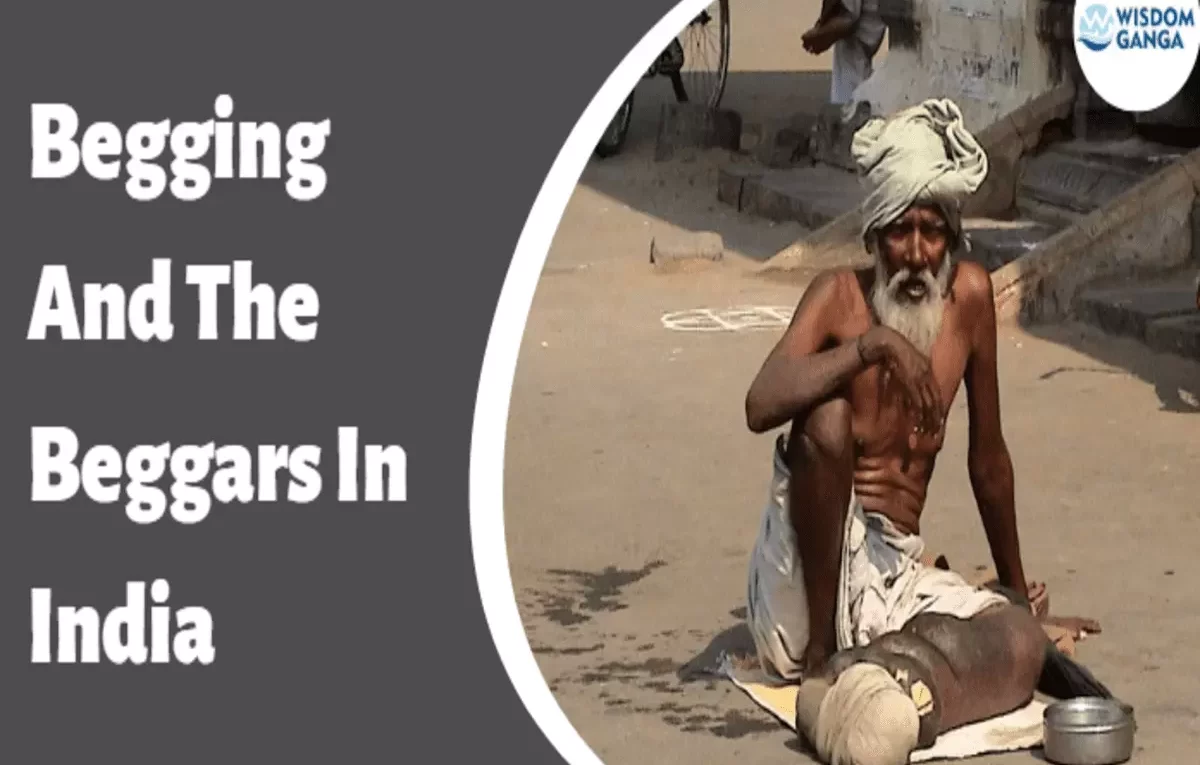
Begging And The Beggars In India [Begging Scam]
Despite India’s rapid economic growth in recent years, poverty and begging remain major issues in the country. It can be confronting and difficult to resist giving money to a foreign tourist who is not used to seeing such widespread poverty. However, the reality is that you are most likely not assisted.
Important Information On Begging
There are an estimated 500,000 beggars in India – that’s half a million people! This is despite the fact that begging is illegal in the majority of Indian states.
Why are there so many people begging? Are there no organizations to assist them? Unfortunately, there is more to begging in India than meets the eye.
Beggars are generally classified into two types. Those who have no choice and are forced to do it, as well as those who have mastered the art of begging and make a good living from it. While poverty exists, begging is frequently carried out by organized gangs.
Each beggar pays the gang’s ringleader a portion of their earnings in exchange for the privilege of begging in a specific territory. Beggars have also been known to intentionally maim and disfigure themselves in order to obtain more money.
Furthermore, many children are kidnapped and forced to beg in India. The statistics are frightening. Every year, up to 40,000 children are abducted in India, according to the Indian National Human Rights Commission.
More than 10,000 of them are still unaccounted for. Furthermore, it is estimated that 300,000 children are drugged, beaten, and forced to beg every day in India. Human trafficking cartels control this multi-billion-dollar industry.
The police do little to address the issue because they frequently assume the children are with family members or other people they know. Furthermore, there are inconsistencies in the law regarding how to deal with child beggars. Many of them are too young to face punishment.
With varying degrees of success, much welfare work in India has been directed at reducing begging, including providing beggars with jobs. The most common issue is that beggars are so used to begging that they would rather not work. Furthermore, many of them make more money begging than they would if they worked.
Where Can You Expect To See Begging the Most?
Begging is most common where there are tourists. Important monuments, railway stations, religious and spiritual sites, and shopping districts are all included. Beggars are frequently seen in large cities at major traffic intersections, where they approach vehicles while the lights are red.
Some Indian states have a higher proportion of beggars than others. West Bengal and Uttar Pradesh have the most beggars, according to government census results (2011).
Child begging is especially common in Uttar Pradesh, while West Bengal has more beggars with disabilities. Beggars are also prevalent in Andhra Pradesh, Bihar, Madhya Pradesh, Rajasthan, Maharashtra, Assam, and Odisha.
However, because determining who is a beggar is difficult, there are concerns about the accuracy of the data available.
Common Begging Scams to Beware of
Visitors to Mumbai, in particular, are frequently approached by a child or woman seeking powdered milk to feed a baby. They will direct you to a nearby stall or shop that happens to sell tins or boxes of this “milk.” The milk, on the other hand, will be expensively priced, and if you pay for it, the shopkeeper and beggar will simply split the proceeds.
Beggars also rent babies from their mothers on a daily basis to lend credibility to their begging. They carry these babies (sedated and hanging limply in their arms) and claim they don’t have enough money to feed them.
How to Handle Begging Effectively?
Beggars come in all shapes and sizes in India, and they use a variety of techniques to tug at your heartstrings in order to obtain money. Visitors to India should plan ahead of time how they will respond to begging.
Unfortunately, far too many foreigners believe that they MUST help them. Beggars are frequently persistent and will not accept no for an answer. As a result, tourists begin to part with money. Should they, though?
We recommend that you avoid beggars. It appears to be harsh. When beggars can easily get money by begging, they don’t try or even want to work. Instead, their numbers continue to increase.
While it may appear heartless, it is usually best to ignore beggars in India. There are so many that even if you wanted to give to everyone, you couldn’t. Another common issue is that if you give to one beggar, it quickly attracts others. You are not responsible for solving India’s problems as a foreigner (and Indians do not want or expect you to).
Additionally, keep in mind that everyone, even children, who begs can be very deceptive. Even though they might be grinning broadly or making pleading gestures, they might be insulting you in their native tongue.
Conclusion
Give only 10 to 20 rupees at a time to beggars if you really want to. To avoid being mobbed, only donate when you are leaving a location rather than arriving. Try to help the elderly or those who are truly disabled.
Scam Topics are very sensitive issues that have taken the shape of Crime. The majority of people are not aware of such things. Please help us to make people aware of Scam and Cyber Crime by sharing this knowledge and article with others.
Also Help Us by following us on Instgram, Facebook and Twitter.

Our team at Wisdomganga is constantly working to recognize all the possible scams and is focused on making everyone aware of them. If you find this article useful, you can now order a cup of coffee for our team as a token of appreciation.
- How AI Is Transforming HR in 2026: Trends, Benefits and Challenges

- Spurkcrowd Review: Is Spurkcrowd a Safe Crowdfunding Platform?
- Company Policies in Corporate: HR Challenges, Types, Implementation and Best Practices
- Buyspookything Review: Is That Viral Halloween Prop Deal a Wicked Trap?
- Best 55-Inch 4K Smart TV in India (2026): The Peak Brightness Lie, Panel Lotteries & Festive Buying Guide
- Best Kitchen Chimney in India (2026): The Ducting Trap, Suction Myths & Field Teardown