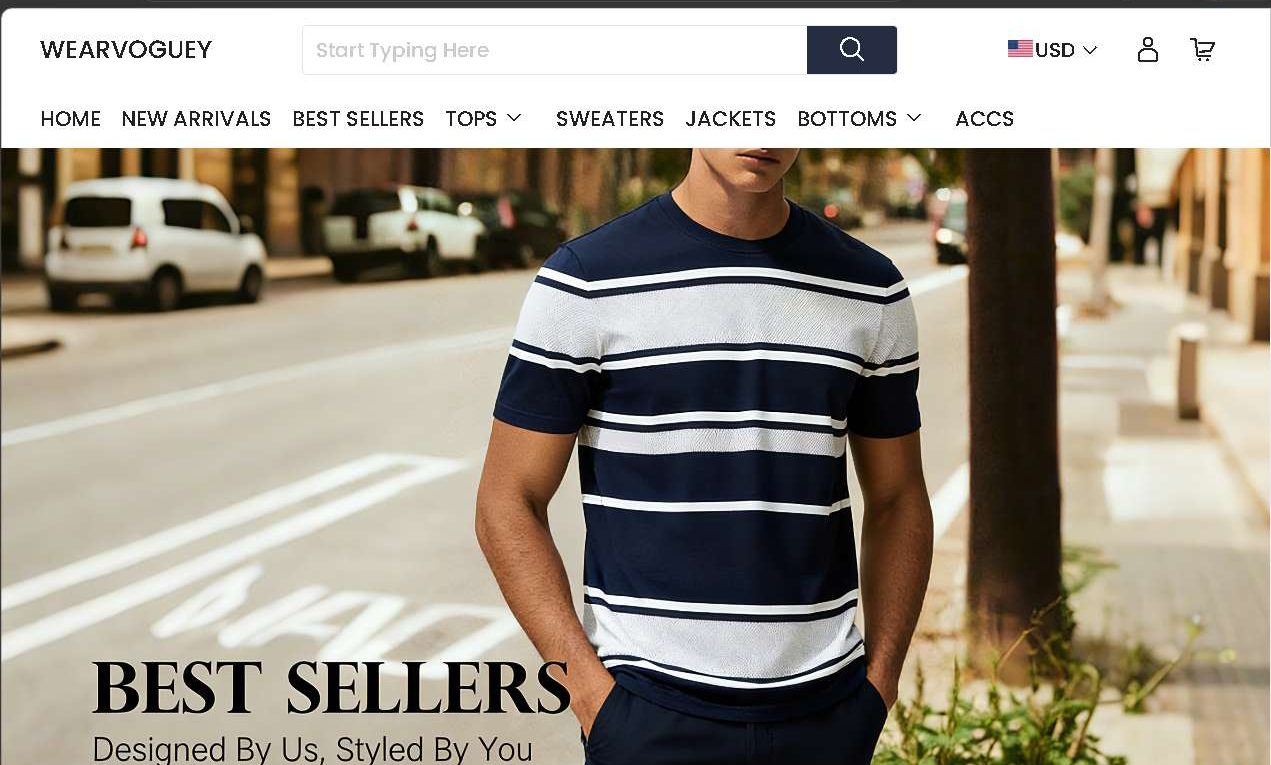
The High-Street Façade: Why Wearvoguey Fits the Low-Grade Dropshipping Scam Profile
What to Do If You Were Scammed by Wearvoguey:
- Gather Photographic Proof: Take clear photos of the garment, interior fabric tags showing polyester/synthetic materials, the courier packaging, and the sender label showing the origin facility.
- Archive Product Claims: Save screenshots and PDF receipts of the original catalog pages showing advertised materials (e.g., “100% Cotton” or “Linen Rich”) and false design claims.
- Decline Partial Refund Traps: Reject customer service offers of 10%–20% token refunds or demands that you pay overseas freight to an unverified international return address.
- Initiate a Bank Chargeback: Contact your credit card provider or open a PayPal dispute under “Item Significantly Not as Described” (SNAD) or “Counterfeit/Defective Merchandise.”
- Report Misleading Social Ads: File an ad violation report inside Instagram, Facebook, or TikTok on the sponsored posts, and submit a complaint to the FTC at ReportFraud.ftc.gov.
Targeted advertisements across social feeds often display Wearvoguey alongside tailored knitwear, sleek linen blazers, and textured summer polos. However, behind the polished menswear catalog lies an operation that matches the classic low-grade dropshipping scam playbook. What arrives on customer doorsteps rarely matches the curated visual storefront.
Shoppers seeking wardrobe upgrades risk falling into an increasingly common e-commerce pattern: stolen designer photography, synthetic garment substitutes, and restrictive return procedures engineered to make chargebacks impossible. This forensic investigation breaks down how the low-grade dropshipping scam ecosystem exploits consumer trust, using Wearvoguey as an active case study.
Unpacking the Mechanics of a Low-Grade Dropshipping Scam
Legitimate dropshipping is a standard retail fulfillment model where a merchant sells goods shipped directly from an authorized third-party distributor. The merchant handles customer service, brand curation, and local consumer protections while taking a transparent margin.
A low-grade dropshipping scam weaponizes this model through intentional product misrepresentation and administrative friction:
- Stolen Intellectual Property: Rather than photographing actual inventory, the operator scrapes high-resolution promotional imagery from independent fashion boutiques, Korean streetwear designers, or luxury retail labels.
- Bait-and-Switch Manufacturing: The operator locates low-cost manufacturing alternatives on discount wholesale platforms (like 1688, Taobao, or AliExpress). A tailored, 100% heavy cotton knit polo costing $70 in the original photo is substituted with an unbranded, $3 polyester clone.
- Asymmetric Risk Allocation: The seller keeps no physical stock, maintains zero domestic corporate presence, and incurs minimal financial liability. The consumer assumes all supply-chain risks—including month-long transit windows, customs hold-ups, and erratic sizing.
- Weaponized Return Policies: When disappointed buyers request a refund, the merchant avoids honoring standard statutory protections by demanding that products be returned to overseas consolidation hubs at the customer’s expense—often costing double the garment’s purchase price.
Email: ApexLegalSolutionsMumbai@gmail.com
Case Study: What Wearvoguey Claims and Offers
At a glance, Wearvoguey mirrors a modern, direct-to-consumer contemporary menswear brand. The navigation bar targets modern menswear staples: New Arrivals, Best Sellers, Tops, Sweaters, Jackets, Bottoms, and Accessories.
The portal deploys distinct marketing narratives to convert incoming social traffic:
- In-House Design Claims: The storefront prominently highlights the tagline “Designed By Us, Styled By You,” presenting the company as an independent atelier rather than a reselling pipeline.
- Luxury Fabric Listings: Product descriptions market items as “Linen Rich Blazers,” “Pure Cotton Crew Necks,” and “Silk Cotton Knitted Shirts,” setting consumer expectations around premium materials.
- Steep Clearance Pricing: Standard pricing psychology is used across every category, artificially inflating list prices before marking them down by 30% to 56% (e.g., blazers dropped from $53.50 down to $24.40).
- Global Currency Adaptability: An automated geolocation script converts checkout tallies into domestic currencies (USD, CAD, EUR) to establish local legitimacy for international buyers.
Suspicious Link or Courier SMS?
Verify URLs, APKs, or parcel alerts against our threat database before clicking.
How Wearvoguey Operates Behind the Scenes
The internal architecture of Wearvoguey prioritizes high-volume ad conversion over customer retention.
1. Paid Traffic Funnels
The site attracts little organic brand equity or repeat direct navigation. Instead, sales flow through algorithmic social campaigns that target users browsing menswear, smart-casual workwear, and minimalist aesthetics. The ad creatives feature scraped dynamic videos or high-contrast editorial photography taken directly from legitimate fashion houses.
2. Automated Order Passing
When a buyer completes a transaction, no local warehouse in North America or Europe picks and packs the order. Instead, automated scripts forward the customer’s shipping details to an offshore supplier. The buyer receives an automated confirmation containing an untracked shipping label or an unverified consolidation courier code.
3. The Quality Mismatch
Upon arrival several weeks later, the physical merchandise rarely aligns with the digital catalog. Garments advertised as woven textured cotton frequently arrive as thin, non-breathable polyester blends. Tailored seams, structured shoulder pads, and fitted cuffs shown in the product shots are replaced by loose, boxy overlock stitching and misaligned collars.
4. The Refund Deadlock
When a buyer initiates a dispute via email, the storefront rarely offers an immediate return label. Instead, customer service uses a scripted tiered-negotiation strategy:
- First, they claim return shipping is too expensive and offer a 10% to 15% partial refund while letting the customer keep the item.
- If rejected, they increase the partial refund offer to 20% to 30%.
- If the customer demands a full refund, they supply a return address located in an overseas freight terminal (typically in mainland China), noting that the buyer must cover tracked international shipping, customs tariffs, and warehouse intake fees—which routinely cost more than the original purchase.
Every safe click counts. If this post helped, a coffee gesture fuels more scam‑busting investigations.

5 Critical Red Flags Exposing Wearvoguey
1. Stolen Product Imagery & Unoriginal Catalogs
The website claims proprietary production (“Designed By Us”), yet visual searches reveal that its hero images and lookbooks are identical to products sold on wholesale supplier networks and independent menswear lookbooks across the web. The models, street backgrounds, and fabric close-ups belong to separate original brands.
2. Disconnect Between Price and Material Claims
High-grade fabrics like pure linen, mulberry silk, and heavyweight long-staple cotton carry non-negotiable raw-material costs. Offering a “Linen Rich Blazer” for $24.40 or a “Silk Cotton Knitted T-Shirt” for $20.80 while turning a profit is economically unviable. These unrealistic prices indicate low-cost synthetic substitutes.
3. Ephemeral Domain Registration
Independent trust evaluation audits confirm that the domain was registered recently via privacy-shielded registrars. Fraudulent storefront operations regularly acquire short-term domain leases, run paid ads until chargeback ratios peak and negative reviews circulate, and then abandon the site to launch under a new name.
4. Lack of Corporate Transparency
The website contains no registered corporate entity name, no verifiable legal business registration number, and no physical headquarters address. Operational communication is limited to an unvetted web form or generic support email inbox, leaving buyers with no legal recourse under consumer protection laws.
5. Asymmetrical Return Barriers
Legitimate domestic apparel brands provide prepaid return labels or clear local return hubs. Forcing customers dissatisfied with misrepresented goods to manage complex, costly international courier routes is an established tactic used to suppress returns and deter dispute filings.
Comparative Matrix: High-End Menswear vs. Dropshipping Facades
| Operational Feature | Verified Menswear Retailer | Wearvoguey Setup |
| Design Ownership | Proprietary sketches, unique patterns, custom labels | Scraped product photography and factory-stock designs |
| Material Accuracy | Certified fabric compositions (100% Cotton, French Linen) | Synthetic polyester/poly-blend substitutes |
| Fulfillment Time | 2 to 5 business days via regional carriers | 2 to 5 weeks via consolidated international parcel post |
| Returns Processing | Domestic return hubs with prepaid tracking options | Prohibitive out-of-pocket overseas return mandates |
| Corporate Accountability | Verifiable business registration and customer service lines | Opaque ownership, hidden WHOIS records, email-only contact |
What to Do If You Purchased from Wearvoguey
If you have already placed an order through this storefront and are dealing with non-delivery, damaged goods, or material misrepresentation, take the following steps:
- Document Everything Immediately: Take high-resolution photos of the garments, fabric care tags (noting synthetic blends versus advertised natural fabrics), exterior packaging, and the shipping label displaying the parcel’s actual point of origin.
- Preserve Digital Evidence: Save full-page PDF captures of the live product listing from the website, highlighting claims like “Linen Rich,” “Pure Cotton,” and original pricing alongside your order receipt.
- Reject Unreasonable Partial Refund Offers: Do not accept nominal 10%–20% refund offers if the goods received are unusable or fundamentally misrepresented.
- File a Direct Merchant Chargeback: Contact the bank that issued your credit card or open a PayPal Resolution Center dispute. File the claim under “Significantly Not as Described” (SNAD) or “Defective/Non-Delivery.” Provide your screenshots comparing the catalog promises to the item received.
- Report Misleading Social Ads: If you encountered the shop through Instagram, Facebook, or TikTok, report the advertising creative directly within the social app under fraud/misleading commercial practices to limit the ad’s reach.
Frequently Asked Questions
Is Wearvoguey legit?
No. Wearvoguey is not a legitimate clothing label or verified menswear boutique. It operates as an unvetted, high-risk storefront that uses scraped imagery to sell low-cost wholesale apparel under exaggerated material claims.
Is Wearvoguey Scam?
Yes. Wearvoguey exhibits the characteristics of a low-grade dropshipping scam. The site advertises luxury fabrics and proprietary designs while delivering poorly constructed synthetic items from overseas fulfillment hubs, making returns difficult through expensive international shipping barriers.
Where is Wearvoguey located?
The website provides no verifiable physical headquarters or corporate filing records. Orders are fulfilled directly from third-party manufacturing and logistics centers located in East Asia rather than domestic distribution warehouses.
Why does Wearvoguey offer heavy discounts on knitwear and blazers?
The deep discounts (such as 50% to 56% off blazers and polos) are an artificial psychological pricing tactic. The list prices are inflated to make cheap, mass-manufactured garments appear to be premium luxury goods on clearance.
Can I get a full refund from Wearvoguey?
Securing a full refund directly through their support channel is rare. The company typically offers a minor partial refund (10%–20%) to keep the item, or insists that the customer pay high-cost tracked international shipping back to an overseas address. The most effective route to a full refund is an official payment dispute or bank chargeback.
How do low-grade dropshipping scams handle returns?
These operations use return friction as a core retention strategy. They establish policies requiring tracked return shipments directly to distant overseas warehouses at the customer’s expense, which often costs more than the original order, forcing buyers to abandon the refund.
Are the products on Wearvoguey really pure cotton and linen?
While product titles feature descriptions like “Pure Cotton” and “Linen Rich,” real-world fulfillment from this tier of dropshipper routinely substitutes these fabrics with inexpensive, synthetic polyester and rayon mixtures.
How do I report a fake or misleading clothing website?
You can report fraudulent or deceptive retail storefronts to the Federal Trade Commission (FTC) via ReportFraud.ftc.gov, submit a complaint to the Better Business Bureau (BBB), and flag the storefront’s URL on consumer-protection databases such as ScamAdviser and Trustpilot.
For more shady sites exposed, check our Shopping Scam Directory — your quick guide to staying safe online.
Help Us Spread Awareness
Please share this article to spread awareness. Follow us on social media for more scam alerts.