
Valorant Patch 13.04: Abyss Replaces Breeze, Plus New Ranked Anti-Boosting Updates
Valorant Patch 13.04 has arrived, bringing major shifts to the competitive map pool and strict new penalties to protect the ranked ladder. Riot Games is shaking up the current meta by removing the long-range sightlines of Breeze and replacing it with the vertical, high-risk terrain of Abyss. Alongside these structural map changes, the 13.04 update delivers crucial visual bug fixes for premium skin lines like Kuronami 2.0 and deploys aggressive Vanguard updates designed to detect and ban account boosters, smurfs, and MMR manipulators in high-ELO lobbies.
Key Takeaways (TL;DR)
- Active Map Pool Changes: Breeze has been completely removed from Competitive and Deathmatch queues. Abyss takes its place, shifting the meta toward vertical mobility and precision utility.
- Upgraded Vanguard Anti-Cheat: New automated telemetry now tracks abnormal performance spikes and party queues to instantly penalize automated boosting services and account sharing.
- Ranked Integrity Enhancements: Stricter party MMR tolerances have been implemented to prevent lopsided matchmaking, especially in Diamond and Ascendant lobbies.
- Premium Skin Fixes: Animation transitions, audio cues, and inspect-desync issues have been resolved for the Kuronami 2.0 and Nocturnum melee collections to ensure frame-by-frame clarity.
Valorant Map Pool Changes: Why Abyss is Replacing Breeze
Few elements in Valorant spark as much strategic debate as map pool rotations. The removal of Breeze from active Competitive and Deathmatch queues brings a noticeable shift to pacing and engagement ranges across all tiers of play.
Breeze has long polarized the community due to its expansive sightlines, heavy emphasis on long-range duels with the Vandal and Operator, and the near-mandatory pick rate of Viper to slice sightlines across massive bomb sites. By cycling Breeze out, Riot reduces long-range positional fatigue and redirects competitive focus toward multi-elevation verticality and tighter choke-point executions.
Taking its place is Abyss, a map designed with an explicit emphasis on vertical mobility, risk-reward positioning, and the ever-present hazard of environmental death. Unlike traditional three-lane layouts, Abyss forces players to balance aggressive jump-peeks and cross-chasm rotations against the constant danger of falling off the map.
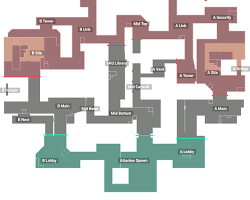
Controllers and Initiators face renewed tactical challenges on Abyss:
- Precision Smokes: Utility must be placed with pinpoint accuracy to cover floating bridge crossings and narrow choke points.
- Elevated Recon: Initiator utility—such as Sova darts, Fade reveals, and Breach concussions—gains elevated value in clearing high-ground perches and vertical angles.
The return of Abyss fundamentally alters the team composition meta, bringing Agents with high spatial manipulation into sharp focus.
Visual Polish and Skin Refinements: Kuronami 2.0 & Nocturnum Fixes
Beyond structural map changes, Patch 13.04 targets subtle mechanical and visual polish that directly impacts match clarity.
A significant portion of the update addresses visual and animation inconsistencies found in high-tier transforming weapon collections, notably the Kuronami 2.0 and Nocturnum melee skins. In high-stakes ranked matches, weapon transition frames and audio cues are critical; minor visual hitches or inspect-animation desyncs can disrupt target acquisition.
Patch 13.04 cleans up these animation transitions, ensuring responsive, frame-by-frame clarity during rapid weapon swaps and tactical abilities. Alongside cosmetic polish, the patch includes targeted bug resolutions for Agent interactions, fixing edge-case collision issues where deployable utility could clip into unintended geometric terrain on newly adjusted sites.
Protecting Ranked Integrity: Vanguard Anti-Smurf & Boosting Penalties
A competitive shooter’s longevity depends heavily on the perceived fairness of its ranked ladder. In recent seasons, the community has voiced mounting frustration over rank manipulation, smurfing rings, and automated boosting services that distort matchmaking quality.
In Patch 13.04, Riot Games has introduced updated behavioral detection heuristics and automated moderation tools within Vanguard and the matchmaking system:
- Pattern Recognition for Boosting: Advanced telemetry now identifies abnormal performance spikes, atypical party queuing patterns, and account-sharing signatures with greater speed and accuracy.
- Aggressive Penalties: Accounts flagged for MMR manipulation face rapid rating rollbacks, competitive queue lockouts, and hardware-level enforcement against repeat offenders.
- Matchmaking Parity: Stricter tolerances have been applied to party MMR disparities, reducing the likelihood of lopsided matches in Diamond-and-above lobbies.
By actively curbing bad actors before they destabilize high-ELO brackets, Riot reinforces the value of individual competitive progression.
The Road Ahead for Valorant Ranked Play
Patch 13.04 represents a measured, structural update rather than a massive overhaul. By cycling out polarizing long-range terrain, refining visual feedback for premium skins, and hardening backend matchmaking security, the update delivers a tighter, more reliable competitive environment as players prepare for the next competitive act.
Frequently Asked Questions (FAQ)
Is Breeze permanently removed from Valorant?
Like most map rotations, Breeze has been cycled out of the active Competitive and Deathmatch pools for now, but it will likely return in a future episode after potential reworks to its sightlines and layout.
What bugs were fixed with the Kuronami 2.0 skin in Patch 13.04?
The patch resolved minor visual hitches and inspect-animation desyncs during weapon transitions. This ensures smooth, frame-by-frame clarity for rapid swaps without distracting visual clipping.
How is Riot fixing boosting and smurfing in Valorant?
Riot’s Vanguard anti-cheat now uses advanced behavioral telemetry to detect abnormal performance spikes, account-sharing, and atypical party queues. Offenders face rapid MMR rollbacks, queue lockouts, and hardware bans.