Situshokix730jp7x.site Review: Rogue Casino Network, Parasite SEO Injections, and Financial Recovery Protocols

The illicit gambling portal operating under the domain Situshokix730jp7x.site is an active asset within an expansive cross-border cybercrime syndicate targeting vulnerable gamblers and diaspora demographics across the United States, the United Kingdom, Canada, and Australia.
Posing as a licensed high-multiplier slots and lottery hub, the platform lacks any verifiable regulatory authorization, operational transparency, or legitimate gaming liquidity. Instead, forensic analysis reveals a disposable, short-lifecycle web shell optimized to siphon fiat and cryptocurrency deposits directly into untraceable settlement layers while systematically blocking outbound player redemptions.
1. Domain Forensics & Churn Architecture
The nomenclature of Situshokix730jp7x.site illustrates programmatic domain generation designed to circumvent algorithmic security filters and automated threat lists. The structural components deconstruct into an industrialized spoofing pattern:
- Brand Seed:
Situshoki(leveraging regional Indonesian/Southeast Asian gambling keywords meaning “lucky site” to build artificial intent) - Multiplier Salt:
x730(mimicking slot jackpot multipliers to generate psychological attraction) - Regional Anchor:
jp(a geo-spoofing tag intended to mislead crawlers and suggest Japanese compliance) - Entropy Tail:
7x(a pseudo-random alphanumeric hash appended to create endless domain variants) - Low-Reputation TLD:
.site(a cheap, high-volume generic top-level domain frequently purchased in bulk using automated API scripts)
[ Seed: "Situshoki" ] + [ Salt: "x730" ] + [ Tag: "jp" ] + [ Entropy: "7x" ] . [ TLD: "site" ]
The underlying network topology relies on multi-layered reverse proxy mitigation and DNS CNAME aliasing to conceal its upstream infrastructure. Authoritative name servers route through intermediate caching layers hosted behind anonymized Content Delivery Networks (CDNs). This configuration shields the origin servers, which sit in non-cooperative offshore jurisdictions immune to Western law enforcement subpoenas.
By leveraging low Time-to-Live (TTL) DNS records and round-robin load distribution, the syndicate executes dynamic domain failovers. The moment telemetry software flags Situshokix730jp7x.site on public abuse databases, the operators instantly shift incoming traffic arrays to newly minted nodes within their disposable mirror infrastructures and reverse-proxy syndicates. This agility ensures uninterrupted victim funneling despite domain-level takedown requests.
2. Technical Threat Vector: Parasite SEO & Compromised Educational Doorways
Unlike conventional illicit casinos that run paid media or native social spam, Situshokix730jp7x.site acquires its high-value traffic through Parasite SEO and doorway injection exploits executed on compromised academic (.edu) and municipal (.gov) web properties.
[ Compromised .edu / .gov CMS ]
               │
               ▼
[ Injected Obfuscated PHP Web Shell ]
               │
               ▼
[ Conditional Server-Side User-Agent Sniffing ]
       ├── Googlebot ──► Dynamic Keyword Doorway (Ranked in SERPs)
       └── Real User ──► 302/JavaScript Push Redirect ──► Situshokix730jp7x.site
The syndicate targets outdated Content Management Systems (unpatched WordPress and Drupal instances) hosted on high-authority institutional subdomains. Using automated vulnerability scanning to exploit unauthenticated remote code execution (RCE) flaws and SQL injections, the threat actors deploy obfuscated PHP web shells within hidden directories.
Once embedded, the malicious script implements conditional server-side cloaking based on the incoming HTTP request headers:
- Search Engine Crawler Spoofing: When the server detects user-agent strings tied to search engine crawlers (such as Googlebot or Bingbot), the script dynamically renders thousands of static HTML doorway pages packed with target keywords, schema markup, and backlink networks targeting gaming terms like “jackpot slot online” and “situs hoki deposit pulse.” Because the parent domain carries immense institutional domain authority, these doorway pages index instantly on page one of search results.
- Conditional Geotargeted Redirection: When an organic human visitor from an IP address mapped to the US, UK, Canada, or Australia clicks the search snippet, the injected script reads the
Accept-LanguageandRefererheaders. Bypassing the cached educational content entirely, the server fires a 302 redirect or client-side JavaScript push (window.location.replace), seamlessly funneling the user directly to the landing interface ofSitushokix730jp7x.site. - Audit Evasion: If systems administrators at the compromised institution review the URL directly without the proper referrer headers, the script returns a benign 404 error or a standard departmental home page, allowing the parasite infection to operate undetected for months.
3. Financial Trap & Advance-Fee Fraud Mechanics
The internal economy of Situshokix730jp7x.site is completely untethered from genuine iGaming operations. The platform deploys closed-source, pirated slot titles and simulated table games stripped of external API connections to certified gaming servers.
Initial deposit rounds feature altered mathematical models. Algorithms run inflated payout sequences that simulate continuous winning streaks, artificially expanding the user’s on-screen account balance. This fabricated equity is engineered to lower financial inhibitions and prompt larger follow-up deposits.
Fictitious Winnings Displayed
              │
              ▼
Withdrawal Attempt Initiated
              │
              ▼
Gateway Liquidity Blockade
              │
              ▼
Advance-Fee Demands:
  - "Cross-Border AML Clearance Tax"
  - "Tier-1 VIP Liquidity Authentication Bond"
  - "Unfreeze Escrow Deposit"
              │
              ▼
Total Account Deletion & Asset Loss
When a user submits a withdrawal claim, the trap transitions to an advance-fee extortion scheme:
- Payment Rail Isolation: The site bans reversible consumer rails like Visa, Mastercard, or domestic clearing houses. Instead, transactions must flow through non-reversible networks: Tether (USDT on TRC-20), unhosted Bitcoin wallets, Zelle, Interac e-Transfer, or Australian PayID accounts tied to organized money-mule rings.
- The Liquidity Blockade: Every withdrawal request is immediately flagged with a generic error: “Risk Engine Audit: Irregular Wager Profile.”
- Advance-Fee Extortion: Support agents masquerading as compliance officers contact the user, demanding immediate out-of-pocket payments to unlock funds. These levies are disguised as an “AML Cross-Border Compliance Tax,” a “Risk Assessment Bond,” or an “International Remittance Fee.”
These fees must be settled via fresh cryptocurrency transfers or direct wire transfers. Once submitted, the syndicate cuts off communication, terminates the user account, and liquidates the balance across decentralized mixer pools.
A review of the site’s footer reveals counterfeit regulatory emblems citing compliance with the UK Gambling Commission (UKGC), the Malta Gaming Authority (MGA), the Kahnawake Gaming Commission, and state authorities like the New Jersey Division of Gaming Enforcement (DGE). Not a single valid license number exists for Situshokix730jp7x.site across any of these sovereign registers.
4. Legal Recourse, Banking Dispute Protocols & Asset Tracing
Users who have transferred capital to Situshokix730jp7x.site must immediately transition from negotiation to active financial containment. Initiating structured legal and financial clawback workflows is essential to secure remaining accounts and recover misdirected assets.
Fiat Banking Disputes & Chargeback Enforcement
- Card-Not-Present Chargebacks: If you processed payments via debit or credit card through intermediary third-party payment processors, contact your card issuer’s fraud department. Request an immediate claim under Chargeback Reason Code 10.4 (Card-Absent Environment) for Visa or Reason Code 4837 (No Cardholder Authorization) for Mastercard. State explicitly that merchant category codes (MCC) were systematically disguised to mask illegal gambling merchant clearing.
- Statutory Financial Acts: For US-based transactions, cite statutory rights under the Fair Credit Billing Act (FCBA) 15 U.S.C. § 1666 for credit lines, or enforce Regulation E (12 CFR Part 1005) to contest unauthorized electronic funds transfers executed through debit rails or checking accounts. Australian and UK residents should petition their financial institutions under the ePayments Code and the Payment Services Regulations 2017, respectively.
- Bank Wire Fraud Recall: If deposits were moved via domestic wire or SWIFT, instruct your bank’s compliance division to dispatch an urgent SWIFT MT199 / ISO 20022 message recall flagging the receiving account as an identified money-mule destination.
Blockchain Forensics & Tracing Procedures
- Address Clustering: Gather all outbound transaction hashes (TXIDs), cryptographic timestamps, and receiving wallet addresses. Use on-chain analysis tooling to track blockchain address clustering across deposit transactions.
- Exchange Compliance Intervention: Illicit operations route siphoned crypto through intermediary unhosted wallets before depositing into centralized exchanges (CEXs) for fiat off-ramping. Tracing funds directly to an exchange node allows you to file an emergency AML compliance reporting ticket with the target exchange’s fraud response unit to freeze the illicit account.
- Token Authorization Revocation: If you ever linked a Web3 wallet (MetaMask, Coinbase Wallet, Trust Wallet) to the site interface, inspect your wallet using verification platforms like
revoke.cashto execute an immediate smart contract allowance revocation. This prevents malicious unbounded token approvals from draining your remaining balances.
Formal Regulatory Submissions
Establish a verified paper trail with cyber-defense agencies and federal authorities:
- United States: File an internet fraud submission with the FBI Internet Crime Complaint Center (IC3), submit deceptive practice logs to the Federal Trade Commission (FTC), and lodge a banking dispute complaint with the Consumer Financial Protection Bureau (CFPB).
- United Kingdom: File an official notification with the National Fraud & Cyber Crime Reporting Centre (Action Fraud UK) and submit an unlicensed gambling jurisdiction complaint to the UKGC.
- Canada & Australia: Submit fraud dossiers directly to the Canadian Anti-Fraud Centre (CAFC) and the Australian National Anti-Scam Centre (Scamwatch).
5. Definitive Verdict & Risk Assessment
Situshokix730jp7x.site is an active, predatory web shell that relies on compromised web infrastructure and rigged gaming scripts to defraud players. It maintains no gaming reserves, possesses zero verifiable licensing credentials, and exists solely to capture non-refundable consumer deposits.
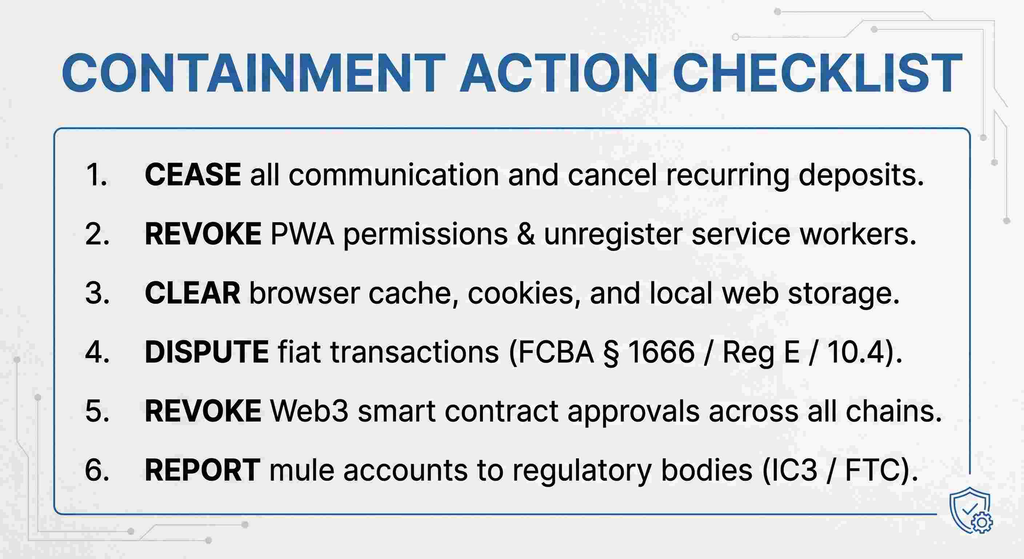
- Halt Capital Outflow: Cease all communication with platform administrators. Under no circumstances should you send additional funds to satisfy purported verification fees, tax clearances, or account-unfreezing bonds.
- Clear Local Data: Purge browser caches, cookies, and local session stores. Block all site-specific JavaScript execution permissions to eliminate hidden background scripts.
- Secure Financial Endpoints: Re-secure all online banking environments, rotate passwords, and enable hardware-based multi-factor authentication (MFA) across any email, banking, or crypto exchange accounts linked to the incident.
- Notify Compromised Hosts: Forward transaction receipts, doorway search results, and technical headers to the IT security departments of the compromised academic or municipal domains exploited in the traffic-redirection chain.
Call to Action
Please share this article to spread awareness. Follow us on Facebook, Twitter, and Instagram for more scam alerts. If you doubt the legitimacy of any website or investment plan, DM us on social media — we’ll help you verify.
“Scammers evolve daily. Subscribe to our scam‑alert list and stay one step ahead.”