Unmasking Lemona.ink: Spotting Offshore Slot Funnels and Brand Deception Traps
If you have spent enough time browsing the digital underworld looking for digital stationery, ink cartridges, or creative design assets, a name like Lemona.ink might trick you into thinking you’ve landed on an independent print shop or creative publishing portal.
But let’s cut straight to the chase and call it like a seasoned bettor spotting a loaded dice game: if you go looking for office supplies or printing ink here, you aren’t walking away with stationary.
Instead, you’ve stumbled straight into an offshore online slot funnel, showcasing classic Brand Deception / Impersonation Risks Scam tactics. In the high-stakes arena of online traffic, knowing how to spot these bait-and-switch operations is the ultimate safeguard for your bankroll.
The web is littered with deceptive landing pages built to hijack search intent and exploit cognitive bias. When a domain name completely contradicts the actual on-page utility, it creates an initial cognitive pause, giving predatory networks just enough time to push high-risk financial funnels.
This investigative analysis aims to unmask the mechanics of Lemona.ink, clarify the fundamentals of digital brand impersonation, and equip you with the essential playbook needed to protect your capital from high-RPM financial traps whether you’re browsing from a major metropolitan hub or anywhere else across the global map.
Understanding the Fundamentals of Brand Deception and Impersonation Risks
Digital brand deception and impersonation risks occur when shadow operators hijack consumer expectations by wrapping a high-risk or illicit wagering service in an innocent, trustworthy semantic package. In the world of cybersecurity and fraud analytics, these setups rarely rely on complex malware; instead, they weaponize human psychology.
By picking a domain name that sounds like a standard lifestyle or utility business—such as ink distribution, cloud software, or creative writing tools—they instantly lower your initial psychological guard.
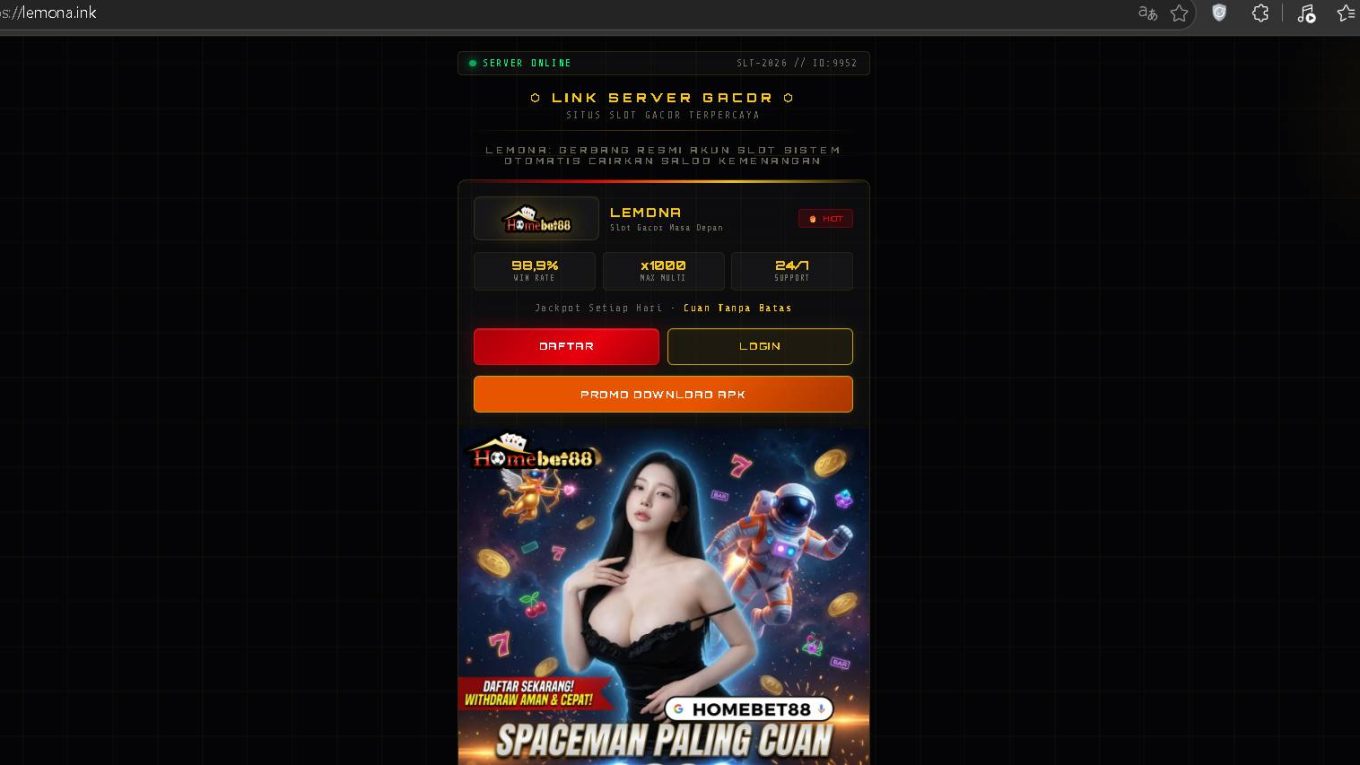
When a user clicks a link expecting a creative marketplace only to be slammed with high-multiplier digital slot machines, third-party wallet hand-offs, and aggressive casino branding like “Homebet88”, skepticism is often delayed by pure astonishment.
These impersonation frameworks frequently cross-contaminate multiple brand registries, blending random directory tags and external syndicates onto a single landing page to scramble automated search crawlers. This deliberate smoke screen insulates anonymous operators from immediate liability while exposing casual visitors to unregulated financial hazards.
Suspicious Link or Courier SMS?
Verify URLs, APKs, or parcel alerts against our threat database before clicking.
Case Study: How Lemona.ink Masks Its True Intent
To see this playbook in action, Lemona.ink serves as a textbook case study in modern web misdirection. A surface-level evaluation reveals a massive chasm between its ink-themed nomenclature and its actual operational layout.
What the Site Claims and Offering
Upon arrival, the interface greets visitors with neon headers flashing phrases like “Server Online,” “Link Server Gacor,” and promises of automated processing and instant cash-out systems. The layout heavily promotes high-multiplier digital slot games (such as Spaceman Paling Cuan), win-rate percentages, and round-the-clock support. It markets itself as a high-speed online betting platform designed to multiply small wagers instantly.
The Working of the Site: A Brief Breakdown
Mechanically, the platform functions as an automated conversion funnel for offshore gambling syndicates rather than a retail store:
- Targeted Traffic Ingestion: The domain scoops up long-tail search traffic or referral clicks from aggressive ad networks.
- Semantic Bait-and-Switch: The unrelated domain name (lemona) helps slip past basic keyword filters that might otherwise block direct gambling terms.
- The Instant Funnel Hand-off: Once loaded, visitors are immediately nudged toward downloading application packages or depositing funds via quick-pay merchant options, bypassing any normal e-commerce checkout steps.
- Opaque Capital Retention: Because these setups reside outside regulated financial jurisdictions, transferred funds vanish into anonymous merchant accounts with zero chargeback protections or regulatory oversight.
Player Safety Blueprint: Prevention Rules & Actionable Solutions
Protect your digital assets before interacting with unverified gambling mirrors, or follow the mitigation sequence if you have already shared data.
Never pay secondary “clearance taxes,” “unlock fees,” or “verification deposits.” Unregulated syndicates use these requests to extract extra funds before blocking your account.
Uninstall any browser-downloaded package immediately. Reboot into Safe Mode, run an updated antivirus scan, and revoke any suspicious SMS or Accessibility permissions.
Reset passwords on any email accounts, crypto wallets, or payment platforms that shared login credentials with the mirror site. Turn on app-based 2FA (e.g., Google Authenticator).
If you deposited using debit or credit rails, call your issuing bank’s dispute desk immediately to file a chargeback under merchant fraud or failure of service delivery.
Report and block WhatsApp or Telegram spam numbers. Ignore third-party “fund recovery agents” claiming they can hack back your balance for an upfront retainer.
5 Critical Red Flags on Lemona.ink
Navigating unfamiliar domains requires a sharp eye for structural anomalies. Keep these five danger signals in mind before you risk your hard-earned money:
- Severe Semantic Mismatch: The domain name implies an ink or stationery merchant, but the internal content exclusively pushes online casino games and digital slots.
- Complete Lack of Regulatory Licensing: There are no corporate registration documents, legal compliance disclosures, physical headquarters addresses, or gaming authority licenses anywhere on the site.
- Aggressive Frictionless Deposits: The user interface prioritizes instant cash-in mechanics while completely omitting transparent terms of service, user agreements, or withdrawal policies.
- Cross-Brand Impersonation Artifacts: The page displays mismatched brand elements and random external gambling network tags (such as Homebet88), indicating a rushed, template-cloned web design.
- Anonymous Infrastructure Protection: Registered on privacy-shielded or high-risk top-level extensions (
.ink), the site hides its administrative ownership behind corporate proxy walls to evade legal tracking.
Actionable Tips to Protect Yourself Online
Navigating the modern web safely requires adopting the discipline of a professional risk manager. Use these direct steps to keep your digital footprint secure:
- Verify the URL Anatomy: Always cross-reference a domain name with its actual on-page content. If a site named after office supplies is pushing online casino games, close the tab immediately.
- Never Download Unverified APKs: Shady portals often prompt users to download side-loaded mobile application packages (
.apk), which can bypass app store security controls and compromise device integrity. - Isolate Financial Channels: Avoid linking primary bank accounts, UPI handles, or debit cards to unverified portals lacking certified payment gateways.
- Run Domain Intelligence Checks: Use public lookup registries to check domain creation dates and ownership anonymity before interacting with unknown services.
Frequently Asked Questions (FAQs)
1. Is Lemona.ink a scam?
While legal definitions of offshore wagering vary by jurisdiction, Lemona.ink exhibits classic hallmarks of deceptive web operations, including misleading domain naming, hidden ownership, and a total absence of consumer safety standards. Engaging with it carries an extremely high risk of financial loss.
2. Is Lemona.ink legit?
No. The platform is not an authentic e-commerce store or licensed merchant, nor does it possess valid regulatory credentials. Its misleading presentation classifies it as an untrustworthy, high-risk destination.
3. What should I do if I already visited or deposited money on Lemona.ink?
If you have interacted with the platform, immediately disconnect any connected digital payment gateways, monitor your bank and mobile wallet statements for suspicious activity, and report unauthorized transfers to your financial institution or local cybercrime authorities.
4. Why do sites use deceptive names like Lemona.ink for gambling portals?
Operators use completely unrelated or misleading domain names to bypass automated ad blockers, evade keyword blocklists, mask their footprints from search engines, and trick users into clicking links under false pretenses.
5. How can I spot brand impersonation and fake websites?
Always cross-check domain names against official corporate registries, look for SSL security certificates that match verified business entities, check for transparent physical contact details, and remain skeptical when a domain name bears no relation to the page content.
6. Are instant payment options safe on sites like this?
Using instant payment frameworks on unverified, anonymous portals strips away standard consumer protections, making recovered funds virtually impossible once transferred.
7. Can search engines protect me from domains like Lemona.ink?
Major search engines continuously update algorithms to penalize deceptive SEO and brand impersonation, but new domains often pop up faster than they can be indexed. Maintaining personal caution is your best defense.
8. Where can I report deceptive websites or online fraud?
You can report fraudulent portals, phishing links, and digital scams through your country’s official cybercrime reporting portal or designated consumer protection agency.
Every safe click counts. If this post helped, a coffee gesture fuels more scam‑busting investigations.

Help Us Spread Awareness
Please share this article to spread awareness. Follow us on social media for more scam alerts.