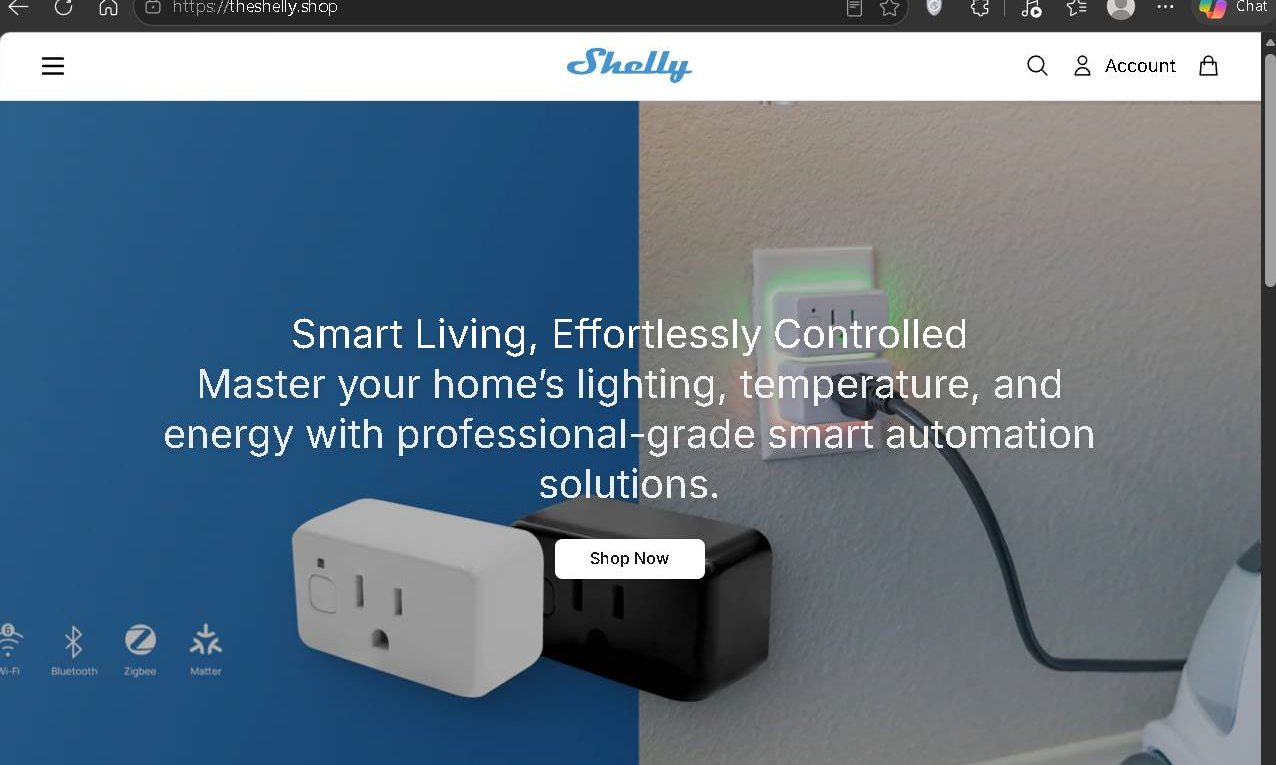
Theshelly.shop Review: How to Spot a Fraudulent Clone Website Scam in Smart Home Tech
Smart home enthusiasts browsing for automated relays and energy monitors may quickly run across Theshelly.shop, wondering whether this fraudulent clone website scam is a legitimate clearance outlet or an active threat to their bank balance. Building an automated setup requires quality gear, but buying IoT hardware from unauthorized web addresses can lead directly to stolen payment details, credit card fraud, and non-delivery of essential electronics.
Upgrading your home automation should be an exciting weekend project, not an entry point for cyber theft. In this straightforward guide, we walk through how fake tech storefronts operate, explore Theshelly.shop as a real-world case study, highlight the top red flags, and share practical ways to safeguard your online payments and home network accounts.
The Fundamentals: Niche Tech Brand-Jacking & Credential-Harvesting Clone Scams
To stay safe online, it helps to understand what a niche tech brand-jacking & credential-harvesting clone scam actually is.
Rather than running a generic department store copy, cyber syndicates target highly respected technical brands that have loyal, enthusiastic followings. These groups duplicate the look and feel of specialized hardware manufacturers—stealing official cursive logos, registered product diagrams, technical pinouts, and standard wireless protocol badges like Wi-Fi, Bluetooth, Zigbee, and Matter.
Because the target audience already knows and trusts the equipment, they often focus on checking technical specifications rather than inspecting the website address.
  The Niche Tech Brand-Jacking Funnel
  ┌─────────────────────────┐      ┌─────────────────────────┐      ┌─────────────────────────┐
  │ Brand-Jacking Imposter  │ ───► │ Heavy Liquidation Trap  │ ───► │ Dual-Yield Harvest      │
  │ • Stolen Shelly logos   │      │ • Fake 70% flash sales  │      │ • Card details stolen   │
  │ • Typosquatted .shop    │      │ • Unrealistic IoT prices│      │ • Login reuse captured  │
  └─────────────────────────┘      └─────────────────────────┘      └─────────────────────────┘
The danger of this setup goes beyond immediate financial theft:
- Direct Payment Theft: The buyer pays for equipment that the store does not own and never ships.
- Payment Card Harvesting: The unauthorized checkout page records your complete credit card number, CVV security code, expiration date, and billing address to sell on underground forums.
- Credential Scraping: Smart home fans often register store accounts using the exact same email and password combination they use for Home Assistant, Shelly Cloud, SmartThings, or primary email accounts. Scammers harvest these credentials to attempt automated account takeovers across other smart hubs.
Suspicious Link or Courier SMS?
Verify URLs, APKs, or parcel alerts against our threat database before clicking.
Case Study: Investigating Theshelly.shop
Looking closely at Theshelly.shop gives us a textbook example of this exact attack strategy in action.
What Is the Site Claiming and Offering?
The landing page of Theshelly.shop copies the brand identity of Shelly (Shelly Europe / Shelly Group), an IoT company known for compact, reliable automation relays. The site uses Shelly’s blue cursive logo, crisp lifestyle imagery, and promotional slogans like “Smart Living, Effortlessly Controlled: Master your home’s lighting, temperature, and energy with professional-grade smart automation solutions”.
Its catalog lists a wide variety of genuine-looking hardware:
- Mini series in-wall switches and smart dimmers
- Multi-channel DIN-rail controllers for electrical distribution boards (Shelly Pro line)
- Smart plugs, temperature sensors, and wireless energy meters
- Bluetooth, Zigbee, and Matter-compatible IoT automation modules
The store claims to be a regional distribution hub—often labeling itself “Shelly USA” or an authorized warehouse—offering massive inventory clear-outs with site-wide discounts exceeding 60% to 70% off current retail pricing.
How Does the Site Actually Work?
Behind its polished, user-friendly interface, the website relies on a structured sequence:
- Scraped Catalog Assets: The scammers pull high-resolution photos, marketing copy, and spec sheets directly from the authentic manufacturer portals at
shelly.comorus.shelly.com. - Margin-Defying Price Anchoring: Because genuine IoT hardware operates on relatively narrow margins, genuine discounts rarely exceed 20% to 30%. By advertising $90 DIN-rail switches for under $30, the clone encourages shoppers to add multiple multi-packs to their carts.
- Unsecured Checkout Forms: When you check out, the website prompts you to register an account and enter private billing credentials. Rather than passing data through secure, verified merchant processors, the portal captures and logs your personal details.
- Fulfillment Silence: Once the transaction completes, the buyer either receives nothing at all, receives a fabricated logistics link, or receives an envelope containing a worthless non-electronic trinket to show banks proof of a package delivery.
Email: ApexLegalSolutionsMumbai@gmail.com
5 Red Flags Found on Theshelly.shop
When shopping for home technology, watching for these five key red flags will keep you from falling into clone storefront traps:
- 1. Typosquatting on a Disposable
.shopDomain: The authentic, official international websites for Shelly hardware areshelly.com,us.shelly.com, andasia.shelly.com. The addressTheshelly.shopadds the prefix “the” and relies on a low-cost.shopextension frequently favored by temporary scams. - 2. Unrealistic Hardware Discounts: High-precision smart relays, energy monitors, and DIN-rail switches have fixed component and certification costs. A store offering site-wide 70% price cuts on brand-new Gen3 or Pro series equipment is using fake pricing to lure buyers.
- 3. Missing Corporate Verification: Authentic technology distributors clearly display verified headquarters addresses, corporate registration numbers, and real support phone lines. Cloned shops hide behind proxy registration services and offer only generic contact email forms.
- 4. Copied Boilerplate Terms & Conditions: Look closely at the “Refund Policy” and “Terms of Service” links. Scam templates frequently feature boilerplate text copied from clothing or home decor sites, containing contradictory return clauses or placeholder text.
- 5. Electrical Safety and Firmware Risks: Genuine Shelly units include certified safety protections (overheating, overvoltage, flame-retardant casing) and connect securely to certified cloud firmware. Unauthorized storefronts cannot provide authentic factory warranty coverage or safe electrical guarantees.
What to Do If You Already Placed an Order on Theshelly.shop
If you already entered your card details or created an account on Theshelly.shop, taking quick action will prevent further issues:
- Call Your Bank or Card Issuer Right Away: Dial the customer service number on the back of your card. Report that you paid on an unverified imposter storefront, cancel the compromised card, and request an official chargeback dispute.
- Update Your Passwords Immediately: If you set up an account on the store using a password you also use for Home Assistant, Shelly Cloud, Google, or your personal email, change those passwords immediately. Turn on two-factor authentication (2FA) across all your essential accounts.
- Monitor Your Statements: Keep a close eye on your payment statements over the coming months for unexpected recurring subscriptions or micro-charges.
- Submit an Online Fraud Report: Report the site to national fraud agencies, such as the Federal Trade Commission (FTC) in the United States, Action Fraud in the United Kingdom, or the National Cyber Crime Reporting Portal in India, helping security registries block the domain.
Safe Ways to Buy Authentic Smart Home Hardware
To ensure your home automation stays stable and secure, stick to verified retail channels:
- Direct Official Brand Portals: Always order directly from the manufacturer’s verified web stores, such as
shelly.com,us.shelly.com, orasia.shelly.com. - Authorized Electronic Distributors: Established global component retailers like Mouser Electronics, DigiKey, and Farnell carry fully certified hardware with direct manufacturer guarantees.
- Verified Online Retailers: When ordering through large platforms like Amazon, make sure the listing is labeled “Sold by Shelly” or ships from an authorized smart home distributor rather than an unverified third-party profile.
Frequently Asked Questions (FAQs)
1. Is Theshelly.shop scam or legit?
Theshelly.shop shows every sign of being an unauthorized imposter storefront rather than a genuine electronics dealer. It uses copied brand trademarks and misleading clearance discounts to take payments without delivering genuine hardware.
2. Is Theshelly.shop legit for ordering Shelly smart relays?
No, Theshelly.shop is not a legitimate source for purchasing Shelly automation hardware. Official Shelly devices are sold through shelly.com and its verified distributor network.
3. How does a fraudulent clone website scam steal money from shoppers?
These counterfeit storefronts attract buyers with heavy discounts on popular gear. Once you check out, they charge your credit card, fail to deliver the items, and may capture your card numbers and login details for further unauthorized use.
4. What is a niche tech brand-jacking & credential-harvesting clone scam?
It is a targeted deception where scammers copy a recognized technology brand to exploit consumer trust. In addition to taking money for non-existent stock, they harvest personal credentials from buyers who reuse identical logins across their smart home accounts.
5. Why are Shelly Pro and Mini relays priced so cheaply on Theshelly.shop?
Deep discounts are used as bait. Because genuine smart relays operate on narrow profit margins, scammers advertise unrealistic 70% sales to push shoppers into placing high-value multi-pack orders quickly.
6. What should I do if my credit card was charged by Theshelly.shop?
Contact your card issuer’s fraud team immediately, notify them of the deceptive merchant, open a chargeback claim, and have a replacement card issued.
7. Can hardware bought from clone websites connect to official smart cloud apps?
Because clone stores do not fulfill genuine orders, you will not receive authentic hardware. In the rare event that counterfeit units are sent, they lack genuine manufacturer security keys, pose fire risks, and cannot be paired reliably with official cloud services.
8. How can I verify that a smart home shopping site is genuine?
Check the exact spelling of the domain name, confirm that the portal is listed on the manufacturer’s official “Where to Buy” page, and look up the domain age using a public WHOIS registry before entering any payment details.
Every safe click counts. If this post helped, a coffee gesture fuels more scam‑busting investigations.

For more shady sites exposed, check our Shopping Scam Directory — your quick guide to staying safe online.
Help Us Spread Awareness
Please share this article to spread awareness. Follow us on social media for more scam alerts.